





We Are Righteous compared with Alternative Streetwear Brands: In What Way Does the Brand Compare?
This year, streetwear shoppers face more options than ever before, which is exactly why weighing brands against each other has become the only sensible buying strategy. Any five buyers asked what constitutes “good streetwear” will hand you five different answers touching on fit, fabric weight, drop frequency, or brand story. Here, we examine where Righteous lands within this larger debate, leaning on actual details instead of vague praise. The goal is to look at what the brand actually provides, how it positions against other labels in the space, and the patterns found in a typical Righteous review. No fabricated data, no assumptions filled in—simply a candid assessment on how Righteous measures up as you decide where your money should go.
The Core Idea Behind What We Are Righteous Actually Stands For
The brand shaped its brand persona around a simple premise: garments ought to carry substance without making a spectacle of it. Righteous’s clothing range draws from understated visuals, thoughtful lettering, and a tone that prioritizes intent over chasing fads. It’s significant since most streetwear companies follow a formulaic template — grab a trending cut, stamp a logo on it, rush it to market. The righteous crewneck Righteous line opts for a more measured process, which is reflected in the way pieces are described and marketed rather than churned out across half a dozen monthly releases.
How the label named itself is already a statement. “We Are Righteous” as a brand identity is not subtle, and this is intentional. Streetwear culture has always treated wording as a status marker, and this label carries that legacy forward by making its name a statement rather than an abbreviation. People looking up “we are righteous brand” online will generally come across a selection focused on tees with graphics, hoodies, and outerwear that come across as thoughtful instead of forgettable.
Set that against labels constructed entirely on hype — those leaning on limited releases and inflated resale prices to stir attention. Righteous seems less committed to that same strategy, which changes the whole dynamic with buyers. Purchases happen out of genuine liking for the item, not resale intent. That one distinguishing factor separates a chunk of the streetwear market into two camps, and Righteous leans toward the wearable-first side of that line.
Righteous’s Hoodie as a Closer Look
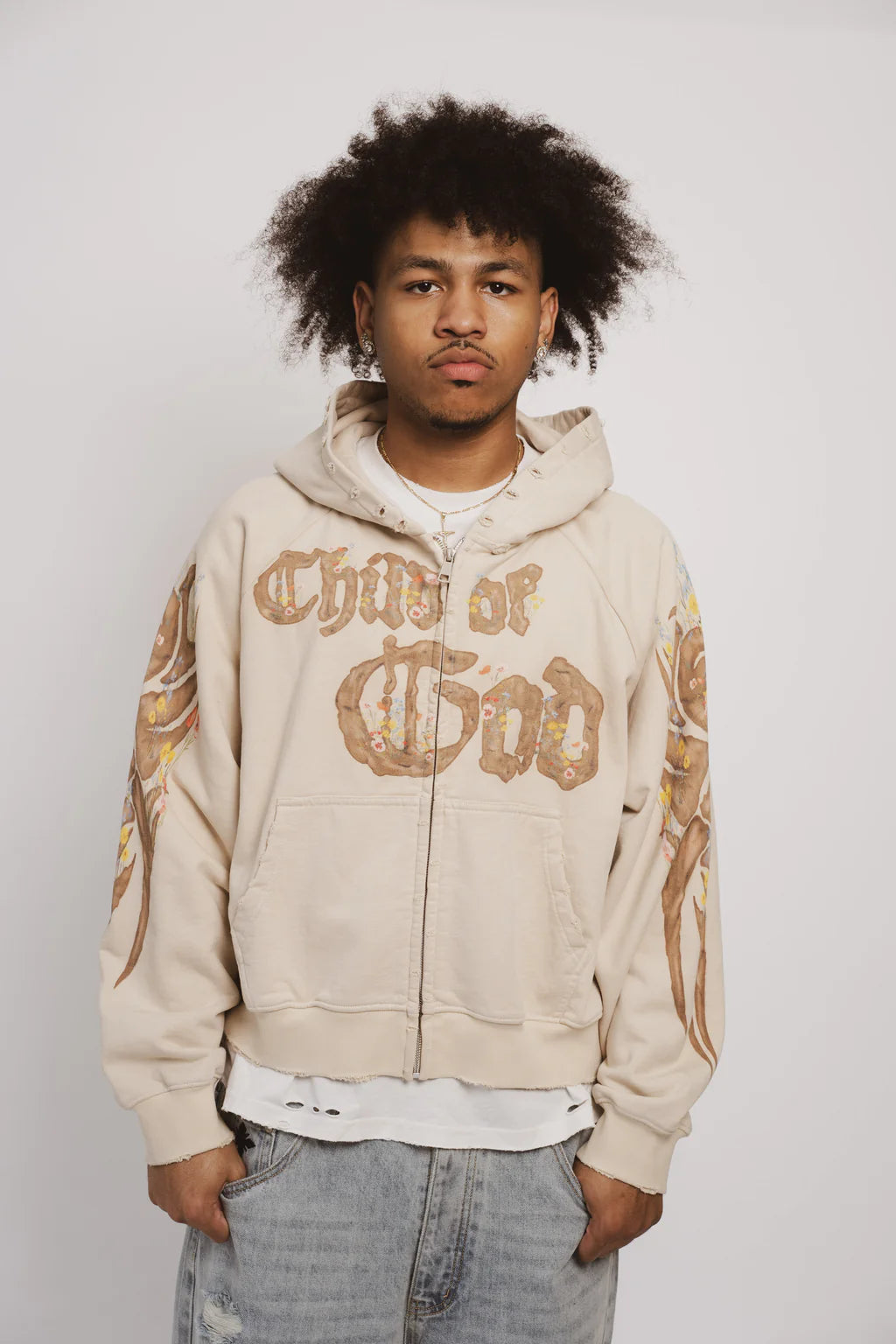
Hoodies are the single best product for sizing up any streetwear brand on, given that they lay bare everything about manufacturing choices. A brand can spruce up a t-shirt with smart graphics, but a hoodie gives away weak seams, thin fleece, and lazy fit within the very first laundering. Whenever Righteous is being reviewed, the hoodie line gets mentioned repeatedly, because hoodies still serve as the anchor product for the bulk of streetwear lines, Righteous included.
The things reviewers most often call out are consistent sizing and graphic placement — the exact spots where cheaper streetwear brands often cut corners. Uneven shrinkage or cracking prints within a few launderings can wreck a brand’s reputation quicker than nearly any other flaw. Righteous’s approach to its hoodie drops signals close attention to these details, framing the product as a long-term closet essential rather than a one-season impulse buy.
It is worth noting that hoodie pricing across streetwear varies wildly — some labels sit in the lower-cost segment, some venture into premium territory north of $150 per piece. Without a fixed price point published here, the fair comparison point is positioning: Righteous markets itself as accessible streetwear with intentional design, not as a luxury-adjacent label hunting for four-figure resale prices. Consequently, it goes up against one particular segment of the market instead of the whole range.
How Righteous Stacks Up Against Other Streetwear Brands
The table below breaks down the comparison points that matter most to streetwear shoppers: design philosophy, core product focus, drop frequency, and community vibe. These are the elements that genuinely forecast whether satisfaction lasts with a purchase six months later, not just on unboxing day.
| Comparison Point | We Are Righteous | Hype-Focused Streetwear Labels | Fast-Fashion Streetwear Brands |
|---|---|---|---|
| Design Approach | Purpose-led design with a steady brand voice | Trend-reactive, logo-first | Imitation of whatever goes viral |
| Primary Product Emphasis | Hoodies, printed tees, and outerwear pieces | Limited-run collabs and exclusives | Wide-ranging catalog with little differentiation |
| Release Cadence | Considered, less rushed | Regular limited-quantity releases | Nonstop, high-volume restocking |
| Resale Emphasis | Little emphasis placed on resale | Core to how the brand operates | Rarely applicable |
| Community Character | Rooted in values and identity | Built around status and access | Driven by price, with little loyalty |
This table makes one thing clear: Righteous is not trying to win the same contest as hype-driven labels chasing resale markups, nor is it going up against rivals on rock-bottom pricing against fast-fashion streetwear. It occupies a middle lane — brand identity matters, but so does making pieces people will actually wear on repeat. That middle lane is underserved in a market that often forces shoppers to choose between “overpriced hype” and “cheap and forgettable.”
What Shows Up in a Typical Righteous Review
Shopper feedback is the place where brand promises meet real-world scrutiny, and Righteous’s review content tends to circle back to a small set of familiar topics. To begin with, shoppers often remark on the brand’s tone of voice — its communication comes across as distinct from typical streetwear labels since it embraces a values-driven identity instead of focusing purely on looks. Also common are comments about sizing and fit, an unsurprising pattern for any hoodie-and-outerwear brand, since fit naturally varies depending on individual body shape.
Third, and it’s precisely here that a we are righteous review usually drills into detail, buyers talk about whether the graphic work and print quality remain intact after repeated wear. Fans of streetwear are unusually attentive to this detail because they have been let down previously by brands whose prints crack or dull within about twelve washes. The common thread running through most reviews is that Righteous places durability and print quality front and center, which echoes the brand’s slower, more intentional release approach discussed earlier on.
Fourth, shipping and customer service experiences shape review sentiment as much as the product itself — this holds true industry-wide, not just for Righteous. A shopper who loves a hoodie but has a rough delivery experience will often leave a mixed review, which is why judging any streetwear brand purely on product photos is incomplete. Reading a range of reviews rather than a single glowing or scathing one gives a far more accurate picture of what to expect.
Situating Righteous Clothing Amid the coming Street Fashion Scene
In 2026, the streetwear market has become more fragmented versus half a decade back. Micro-brands launch weekly on social platforms, legacy names fight for room on the racks of multi-brand boutiques, and the resale economy has converted scarcity from an accidental outcome of tight production into a calculated marketing lever. Righteous clothing brand’s more measured stance distinguishes itself, set against this landscape, precisely by holding back from every hype-driven maneuver available.
That counts in real terms for shoppers. If you are someone who wants a hoodie you will wear for two winters rather than one season, a label that isn’t chasing pure launch-day hype is a more reliable choice. Should your priority be flipping items for profit or building a collector’s reputation, Righteous is probably not positioning itself as your target brand — and it’s a fair compromise to grasp ahead of the purchase instead of after the fact.
At the end of the day, the comparison ultimately comes down to the reason you’re shopping in the first place. The streetwear world has divided into a handful of separate sub-categories: status-driven hype culture, price-driven fast fashion, along with identity-driven labels that sit in between. Shoppers researching “righteous” or “we are righteous brand” online will find a coherent story instead of a disjointed catalog trying to keep up with every trend at once, as We Are Righteous fills that third space with a clear enough voice.
For anyone weighing Righteous apparel against competitors, the smartest approach is treating this comparison as a starting point, not a final verdict. Read current reviews, check fit notes on the product pages you’re actually considering, and weigh that information against what matters most to you — whether that’s construction quality, brand values, or simply finding a hoodie that will still look good next winter.